Razor Blade Lifespan: How Often to Change Razor Blades for a Smooth, Irritation-Free Shave
By Harry's | Published: 2026-06-18
Category: Product Reviews
Discover the optimal razor blade lifespan and learn how often to change razor blades to prevent shaving irritation, razor burn, and nicks. Expert tips and product recommendations included.
Every man who shaves has faced the dilemma: the blade starts tugging, the shave feels rough, and your skin breaks out in red bumps. But you keep using it because, well, it still cuts hair—sort of. The question is not just about comfort; it's about your skin's health. Knowing the true razor blade lifespan and understanding how often change razor blades can transform your grooming routine from a daily chore into a ritual that leaves your skin smooth, healthy, and irritation-free.
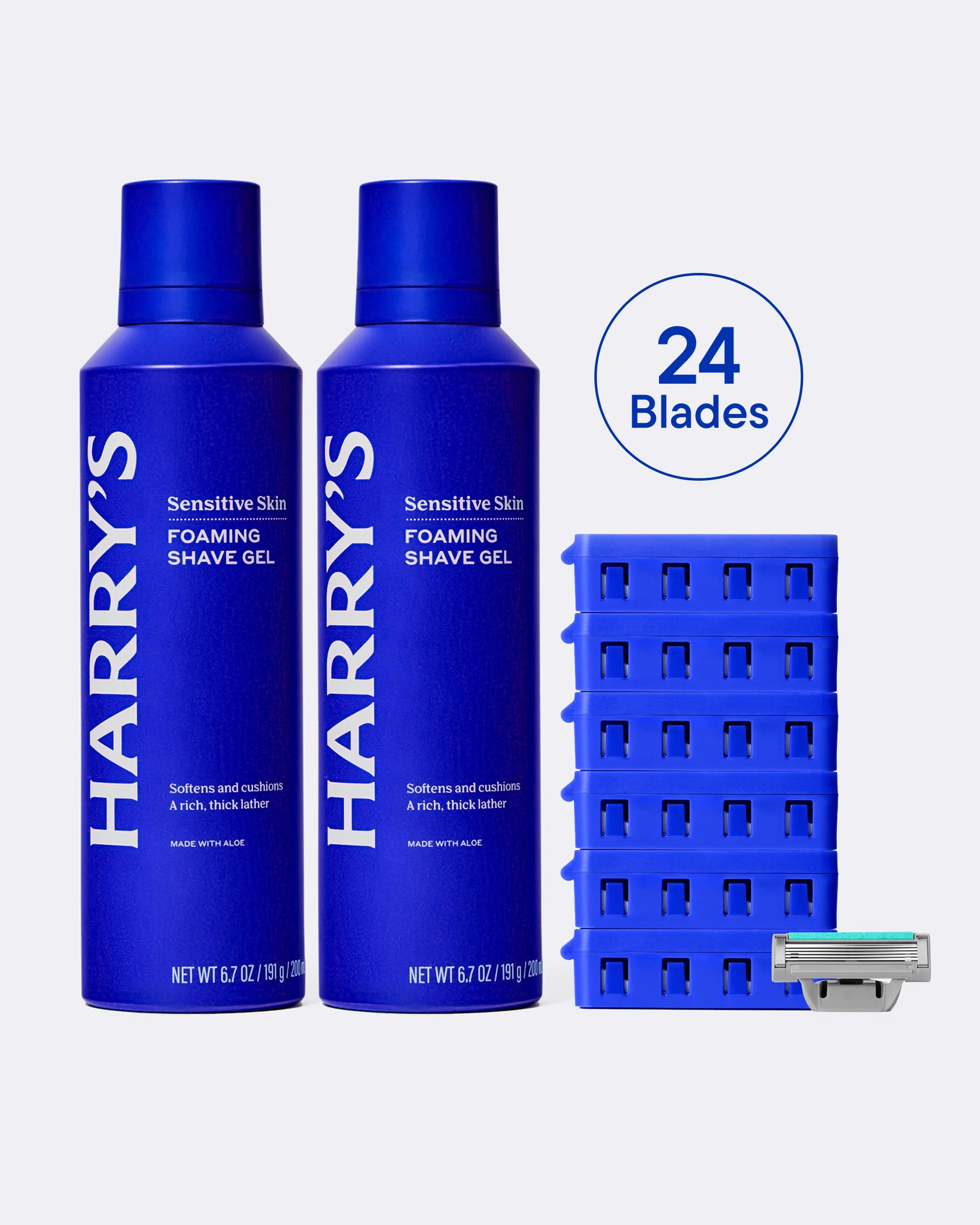
In this guide, we'll break down the science behind blade dullness, the signs that it's time to toss your cartridge, and the best practices to extend the life of your blades without sacrificing performance. Plus, we'll show you how upgrading to premium tools—like the Harry's Plus Shave Set—can make a world of difference.
Why Does a Dull Razor Cause So Many Problems?
A fresh blade glides over the skin, cutting hair cleanly at the surface. A dull blade, on the other hand, tugs at the hair, often cutting it below the skin line or missing it entirely. This leads to a host of issues:
- Shaving irritation and razor burn – The blade drags across the skin, causing micro-tears and inflammation.
- Ingrown hairs – Hair cut below the surface can curl back into the skin.
- Nicks and cuts – A dull blade requires more pressure, increasing the risk of accidental cuts.
- Uneven shave – You have to go over the same area multiple times, compounding irritation.
Understanding razor blade lifespan isn't just about cost—it's about preventing chronic skin damage. If you've ever wondered how often change razor blades for optimal results, the answer is more frequent than you might think.
How Often Should You Change Your Razor Blade?
The general rule of thumb from dermatologists and grooming experts is to change your razor blade after 5 to 7 shaves. However, this number varies based on several factors:
| Factor | Effect on Blade Lifespan |
|---|---|
| Hair thickness | Coarse, thick hair dulls blades faster than fine hair. |
| Shaving frequency | Daily shavers may need to change blades more often than those who shave every other day. |
| Blade quality | High-quality stainless steel blades (like those in the Harry's Plus Shave Set) last longer than cheaper alternatives. |
| Shaving preparation | Properly hydrating the skin and using a quality shave cream can extend blade life. |
| Post-shave care | Rinsing and drying the blade after each use prevents rust and buildup. |
If you shave three times a week, that means replacing your blade every two weeks. For daily shavers, it's closer to every week. But don't rely solely on a calendar—your skin will tell you when it's time.
5 Signs It's Time to Change Your Razor Blade
Instead of counting shaves, learn to recognize the telltale signs that your blade has outlived its usefulness:
1. Tugging and Pulling
If you feel the blade snagging on hairs instead of cutting cleanly, it's a clear sign of dullness. This is the most common symptom of a dull razor.
2. Increased Irritation
Razor burn, redness, or bumps appearing after a shave are strong indicators that the blade is no longer sharp enough to glide smoothly.
3. Visible Rust or Corrosion
Even with proper drying, moisture can cause blades to rust. Any discoloration or spotting means it's time to toss the blade immediately.
4. You Have to Shave the Same Area Multiple Times
If you find yourself going over the same patch three or four times to get a clean shave, your blade is past its prime.
5. The Shave Feels Rough
Instead of feeling smooth and comfortable, the shave feels abrasive. Your skin may feel raw or sensitive afterward.
Paying attention to these signals will save you from chronic irritation and make your daily routine much more enjoyable.
How to Extend the Life of Your Razor Blades
While you can't keep a blade sharp forever, proper maintenance can help you get the maximum number of comfortable shaves from each cartridge. Follow these tips:
- Rinse thoroughly after each use – Use warm water to remove hair, shaving cream, and skin cells.
- Dry the blade – Shake off excess water and store the razor in a dry area. Moisture is the enemy of sharpness.
- Don't press hard – Let the razor do the work. Applying pressure not only irritates skin but also dulls the blade faster.
- Use a quality shave cream – A good cream provides lubrication, reducing friction and wear on the blade. Pair your razor with a premium formula for best results.
- Consider a blade oil – Some men use a drop of mineral oil on the blade after drying to prevent oxidation.
But no amount of maintenance can substitute for a high-quality blade. That's why investing in a system designed for longevity and performance—like the cartridges included in the Harry's Plus Shave Set—is a smart move. These blades are engineered with precision-honed edges and a protective coating to resist corrosion, giving you more comfortable shaves per cartridge.
The Connection Between Blade Quality and Skin Health
Your razor blade is the single most important tool in your shaving routine. Using a dull or low-quality blade is like trying to cut a steak with a butter knife—frustrating and messy. More importantly, it's damaging to your skin.
Chronic shaving irritation from dull blades can lead to post-inflammatory hyperpigmentation, especially in men with darker skin tones. It can also worsen conditions like pseudofolliculitis barbae (razor bumps). By changing your blade on schedule and choosing a superior product, you're investing in long-term skin health.
How Often Change Razor Blades for Different Body Areas?
Most men use the same blade for their face and body, but that's not ideal. Here's a quick breakdown:
- Face – Every 5-7 shaves, as facial hair is often coarser and the skin more sensitive.
- Head – Every 3-5 shaves, because scalp skin is thin and prone to nicks.
- Body (chest, legs, etc.) – Can last up to 10 shaves, as hair is finer and skin is less sensitive.
If you shave multiple areas with the same razor, change the blade more frequently—every 4-5 shaves total is a safe bet.
Common Myths About Razor Blade Lifespan
Let's debunk a few persistent myths that could be ruining your shave:
Myth 1: You should change blades only when they feel dull
By the time you feel dullness, you've already been shaving with a subpar blade for several shaves. Better to change proactively.
Myth 2: Stropping a blade on denim or leather sharpens it
This might align a microscopic burr but does not sharpen a blade. Modern blades are precision-ground; stropping can actually damage the edge.
Myth 3: Rinsing with hot water sterilizes and preserves the blade
Hot water can accelerate corrosion. Always rinse with warm (not hot) water and dry thoroughly.
Final Thoughts: Upgrade Your Shave Routine
Changing your razor blade regularly is one of the simplest yet most impactful changes you can make to your grooming routine. It prevents irritation, gives you a closer shave, and saves you from the frustration of a tugging blade. Pairing a fresh blade with a superior shaving system enhances the experience even further.
If you're ready to take your shave to the next level, explore the Harry's Plus Shave Set. It features premium blades designed for a longer effective lifespan, plus a weighted handle for better control. Combine it with a soothing pre-shave routine and a moisturizing aftershave, and you'll wonder why you ever settled for less.
Your skin deserves the best—make every shave count.